Fast Roof Leak Repair in Bradenton and Sarasota
Don’t be pressured into a roof replacement you might not need.
Leaks rarely show up where they start. A ceiling stain is usually the end of the story, not the beginning. We find the entry point, confirm what failed (flashing, penetrations, transitions, seams).
Many contractors patch surface level defects and hope for the best. That wastes time and repeats the problem. Our forensic approach pinpoints the root cause the first time for Guaranteed Results.
Honest “Repair vs. Replace”
We preserve your roof whenever possible. We recommend replacement only when it makes sense for you; Not us.
Forensic Leak Detection
Water travels. We trace the leak path back to the root cause (tile, flashing, boot, seam, or edge).
Clear Documentation
You receive a photo summary of the issue and the finished repair. Useful for insurance and records.
Active leak right now?
If water is entering the home, priority is containment to prevent interior damage. When appropriate, we can provide emergency temporary protection.
What we check during leak inspection
The goal is to find the entry point, not just the symptom.
How the repair works
- Inspect: we inspect the exterior of the roof and interior attic space to ensure a thorough diagnosis.
- Pinpoint: we identify the root cause of the failure(s).
- Repair options: we provide options that are guaranteed to resolve the issue.
- Document: photos plus summary so you know what was done and why.
Repair vs replace
- Localized failures are often repairable even on older roofs.
- Multiple recurring leaks or saturated assemblies can push toward replacement.
- If a “repair” compromises manufacturer requirements or warranty conditions, it’s not a repair.
General Leak Repair Info
Active leak right now?
- If water is near electrical fixtures, shut off power to the affected area.
- Contain water and protect flooring. Photograph the damage.
- Do not climb on the roof.
What to send (fast diagnosis)
- Where water appears inside (ceiling, wall, window head).
- When it leaks (wind-driven rain vs. long steady rain).
- Roof type and any recent work or storm date.
- Photos: interior + exterior area if safely visible from ground.
Common leak sources we repair
- Pipe boots, vents, and penetrations
- Wall flashings and kick-out flashings
- Valleys, dead valleys, and crickets
- Skylights, chimneys, and attachment points
- Shingle blow-offs, lifted tabs, exposed fasteners
- Tile displacement, broken tiles, underlayment failures
- Flat roof seams, terminations, edge metal, drains
- Gutter-related backup at eaves and fascia edges
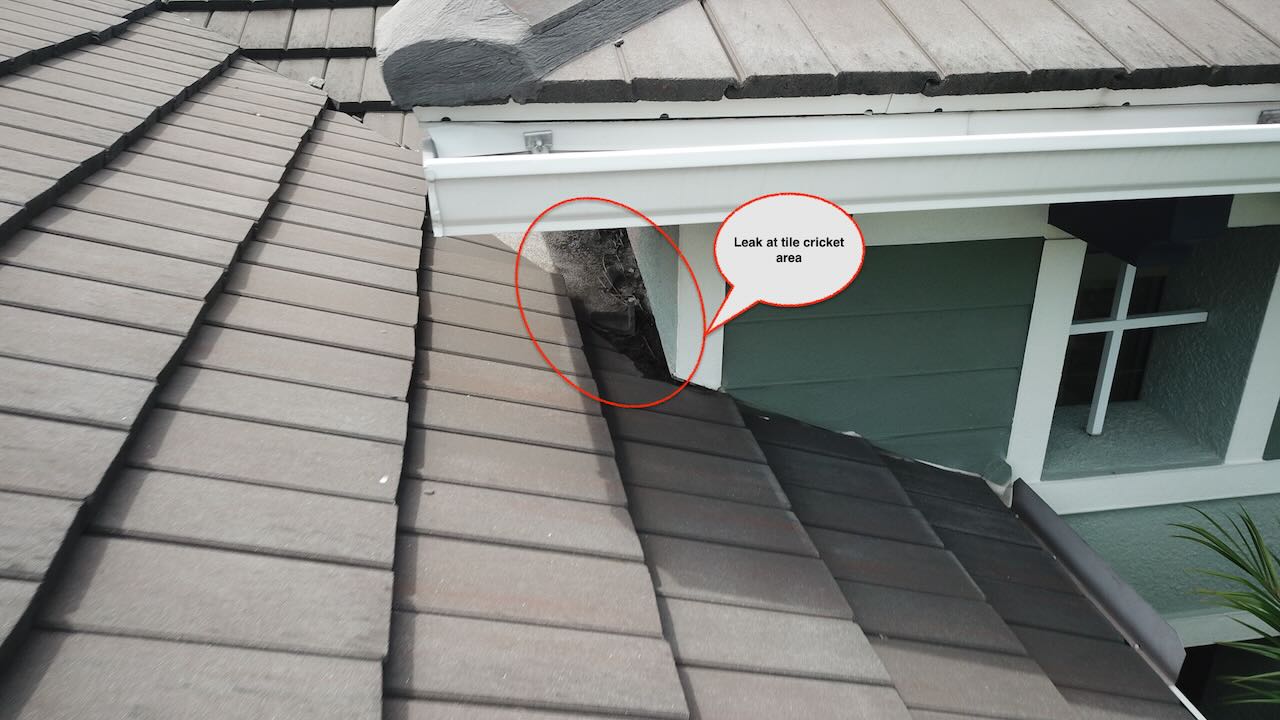
Tile Roof Leak Repair
Cricket areas are the most common failure point on tile roofs in our area. Other common failure points include valleys, dead valleys, roof-to-wall transitions, and penetrations.
On tile roofs, the underlayment is the primary waterproofing. The tiles are cover material that protects that underlayment and provides the finished appearance. As a result, many “tile leaks” originate at flashing, valleys, penetrations, or aged underlayment rather than the tile itself.
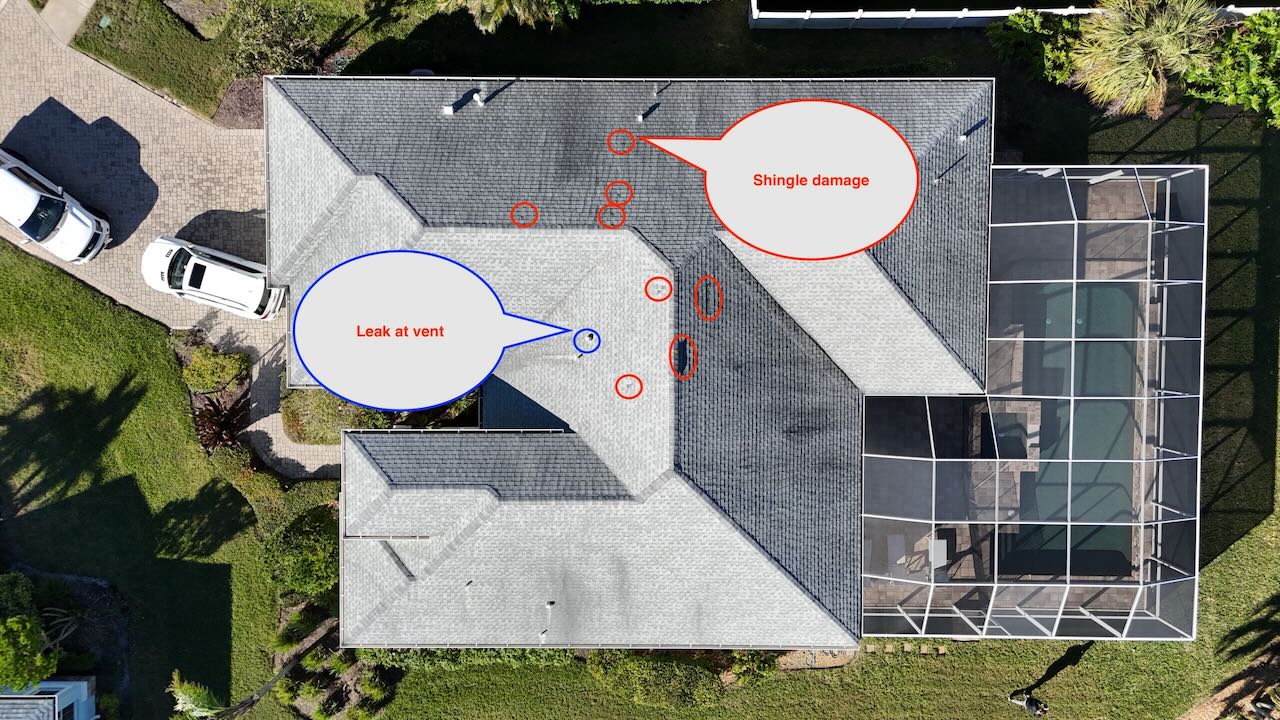
Shingle Roof Leak Repair
Shingle leaks are usually localized failures: a missing shingle, compromised flashing, or a failed pipe boot. The key is finding the actual entry point, not the symptom.
Request Shingle Evaluation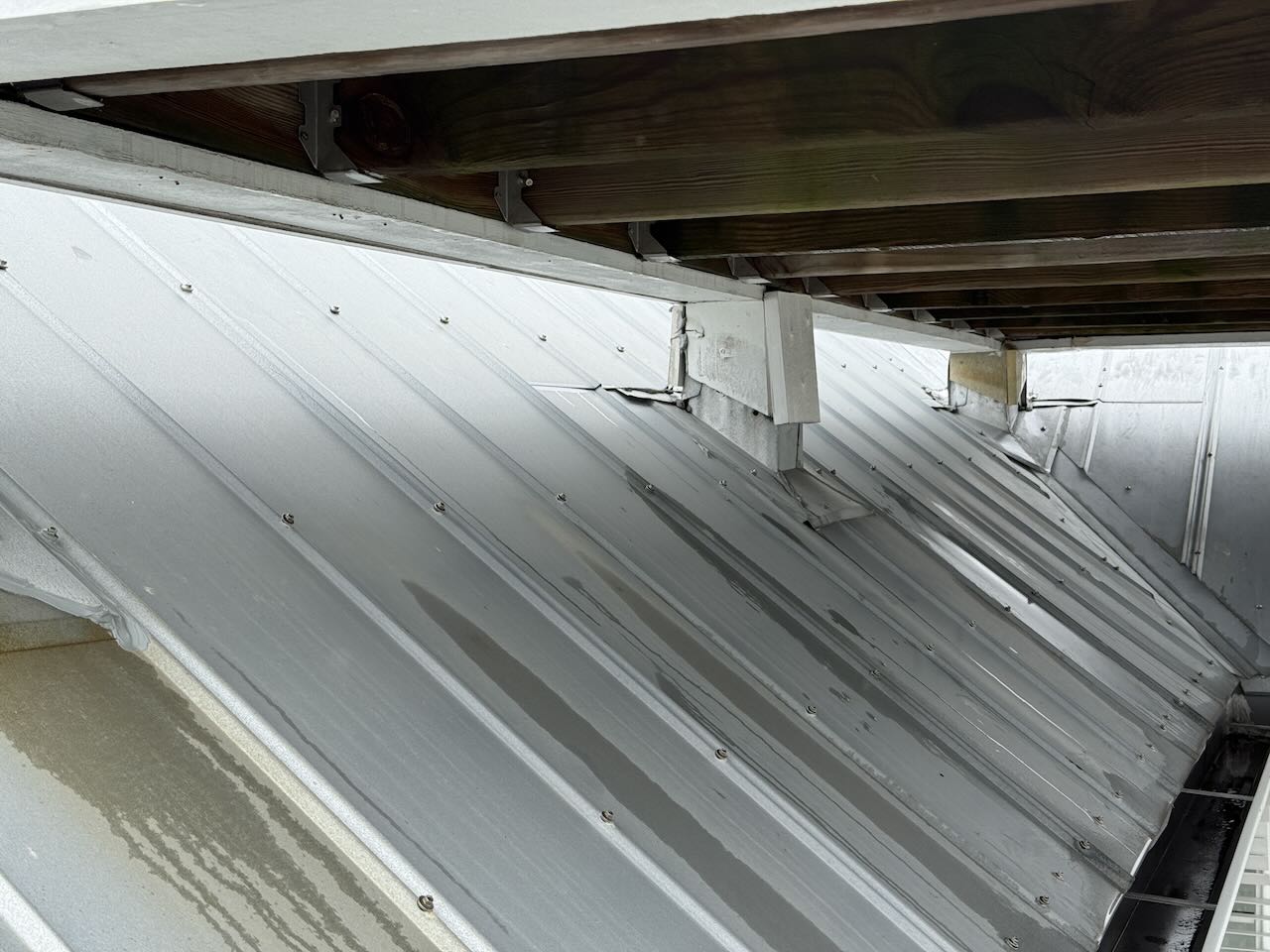
Metal Roof Leak Repair
Metal roofs rarely leak, but when they do, the source can be difficult to pinpoint. We start with the most common failure points: worn fasteners, seams, penetrations, and flashing details affected by thermal movement and UV exposure.
In some cases, leaks stem from less obvious issues such as capillary action caused by improper installation. Roofing Logik uses a systematic, forensic approach to identify the root cause so you get a durable fix, not repeat visits.
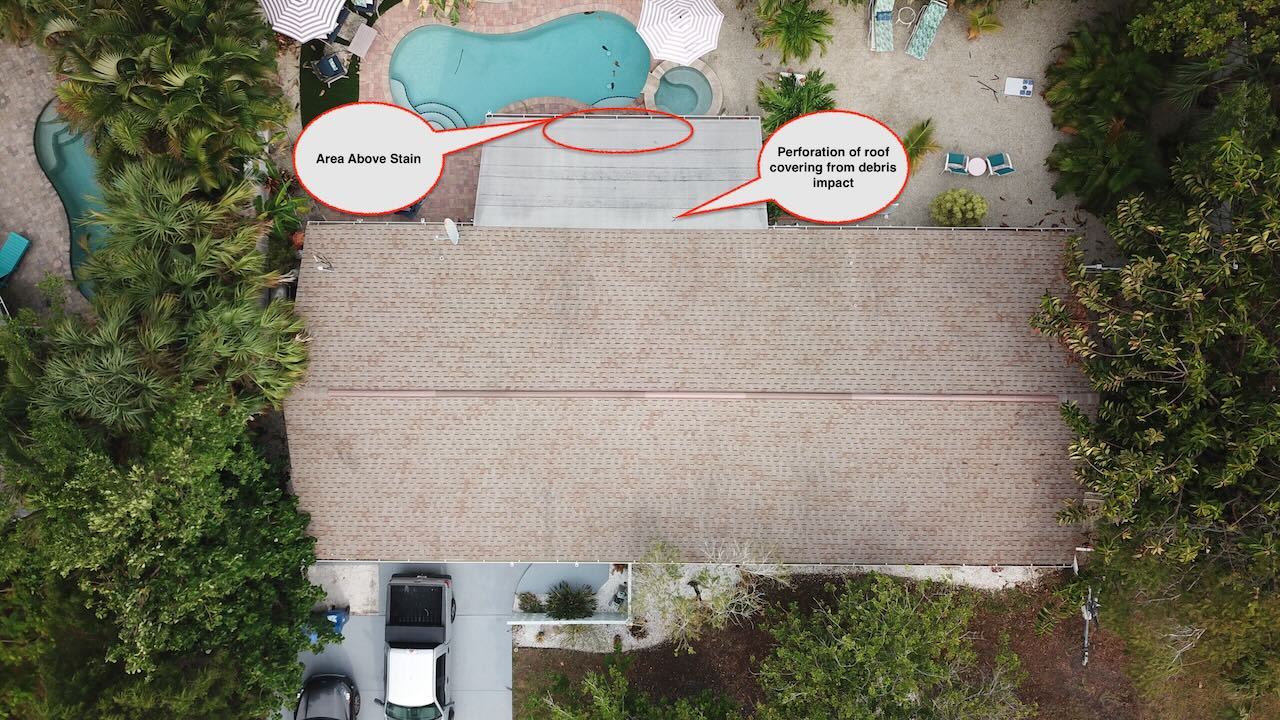
Flat Roof Leak Repair
Flat roofs can be difficult to diagnose because water can travel under the membrane before it becomes visible inside. Many contractors default to coating as a catch-all solution. We don’t. We locate the failure point, isolate the leak mechanism, and repair the detail that actually controls water.
Flat roofs commonly leak at transitions, terminations, edge metal, penetrations, seams, and drains. Our approach is source-driven: fix the root cause, then document the result.
How much is this going to cost?
Typical leak repair ranges
- Small penetrations (vents, pipe boots): often under $500
- More complex repairs (valleys, transitions, “open-field” leaks): commonly $800–$1,500+
What drives the cost most
- Time: the longer a leak has been active, the more damage and complexity it creates
- Access: steepness, height, and surrounding obstacles
- System complexity: tile details, metal/flat transitions, and specialty flashing conditions
- Scope: isolated repair vs. multiple failure points
Ease of repair by roof type
- Shingle (typically easiest)
- Tile
- Metal and flat/low-slope (often hardest to pinpoint and detail correctly)
The cheapest option is prevention
Request an Estimate
Tell us where the water shows up, when it leaks, and your roof type. Add photos if available.