Homeowner Resource
When Is It Time to Replace Your Roof?
Roof replacement rarely announces itself politely. This guide helps you identify when replacement is warranted, when a repair is still rational, and how to avoid turning “minor leaks” into interior damage.
Practical note: A roof is a system (underlayment, flashing, ventilation, decking). The visible surface is not the whole story.
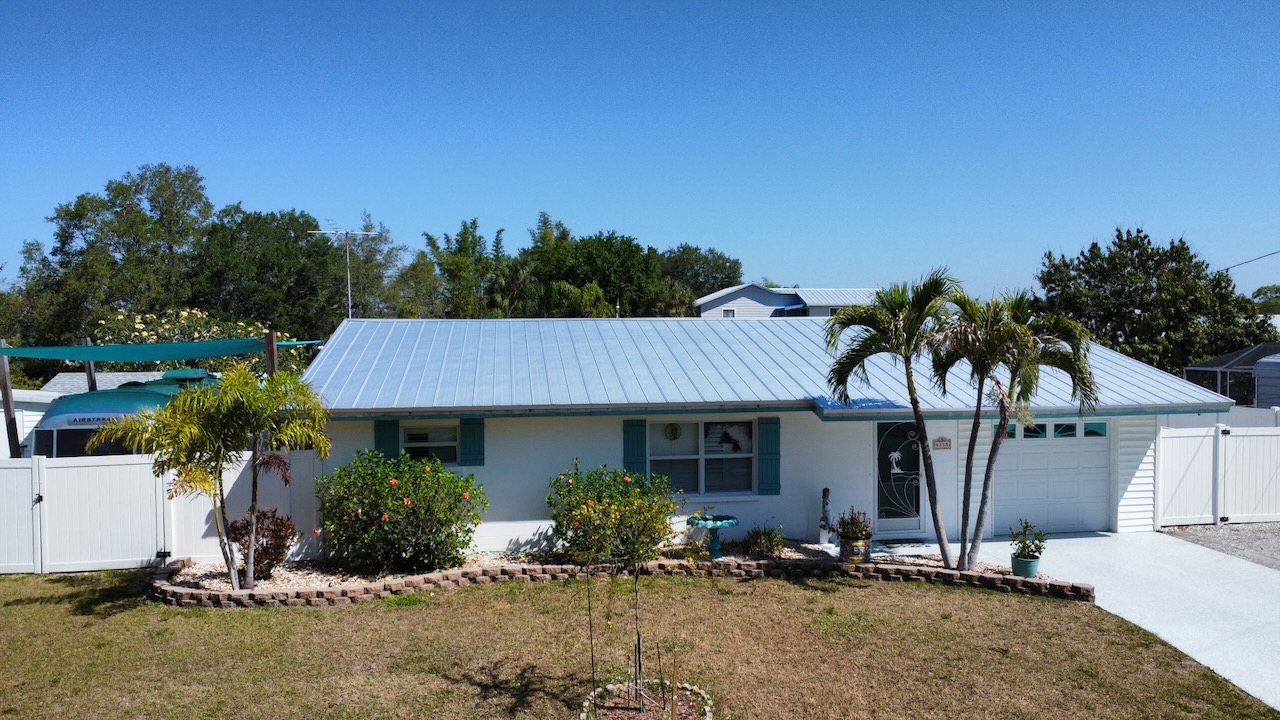
Repair vs Replace: The Practical Test
If you want a simple rule that doesn’t require becoming a roofing hobbyist: replacement is usually rational when problems are widespread, recurring, or structural. Repairs make sense when damage is isolated and the roof is otherwise healthy.
Replacement is usually the better decision if 2+ are true
- Repairs have been needed repeatedly
- Problems exist in multiple areas, not one detail
- The roof is near typical end-of-life for its material
- Evidence suggests broad system decline (underlayment fatigue, widespread shingle failure)
- Interior signs show chronic moisture (stains, musty attic, wet insulation)
- You need predictable performance for sale, refinance, or insurability
A repair is often smart when
- The roof is relatively young and sound overall
- Damage is isolated (one area, one clear source)
- The issue is a known detail failure (pipe boot, flashing, penetration)
- There’s no pattern of recurring leaks
- Decking and ventilation are healthy
If a “repair” doesn’t materially reduce risk, it’s just paying rent to time.
Quick rule
If the roof is old and you’re chasing leaks or widespread damage, replacement is usually the rational move. If it’s young and the problem is isolated, repair is often worth it.
Your drywall does not enjoy suspense.
Typical Lifespan by Material
Lifespan varies with ventilation, attic temperatures, coastal exposure, installation quality, and storm history. Use ranges as context, not certainty.
| Roof type | Common replacement range | What usually ends it |
|---|---|---|
| Asphalt shingles | 15–30 years (often less in Florida conditions) | Widespread granule loss, seal failure, brittleness, recurring leaks |
| Exposed-fastener metal | 20–40+ years | Fastener issues, panel corrosion, failing details/penetrations |
| Standing seam metal | 30–50+ years | Panel corrosion, failing details/penetrations |
| Concrete / clay tile | Tile can last decades; underlayment often does not | Underlayment aging, flashing failures, broken/obsolete tiles |
If your roof is near the expected range, assume you’re in “replacement decision territory”.
Warning Signs Homeowners Shouldn’t Ignore
A few isolated defects can be repaired. Patterns are what matter.
Exterior signs
- Widespread curling, cupping, cracking, or brittle shingles
- Repeated blow-offs after normal storms
- Heavy ongoing granule loss
- Multiple failing flashings (chimney, walls, valleys, skylights, penetrations)
- Extensive storm damage across large areas
Interior / attic signs
- Ceiling or wall stains (especially expanding stains)
- Musty odor in upper rooms or attic
- Wet insulation or damp framing
- Daylight visible through the roof deck
- Rusty nails/fasteners (a moisture signal)
What a Proper Roof Evaluation Looks Like
Avoid "instant" estimates. A credible recommendation should come with evidence (photos) and a failure explanation (not vague “it’s old” talk).
A real evaluation should include
- Photos of key areas: surface, flashings, valleys, penetrations, edges
- Attic review: ventilation and moisture signals
- Identification of the likely leak path (water can travel before showing inside)
- System scope: underlayment, flashing, ventilation, edges, starter, ridge/hip
Replace proactively when
- The roof is old enough that failure risk rises within a few seasons
- You’re stacking repair bills and still losing reliability
- You want to avoid emergency scheduling and interior damage
- You need clean documentation for a sale or insurance review
Roof Systems
Below are common reroof options we install, with scope varying by structure, code requirements, and existing conditions.
GAF Timberline HDZ Shingles
A widely used architectural shingle option balancing appearance, performance, and cost. Appropriate for many residential slopes where shingles are permitted by code and design.
- Best for: Standard pitched residential roofs, value-focused replacements.
- Considerations: Ventilation, flashing details, and underlayment selection matter more than marketing.
- Common add-ons: leak barrier at eaves/valleys, upgraded ventilation, pipe boot replacements.
Thompson 5V Metal
Traditional 5V-crimp metal panels with exposed fasteners. A durable system when installed correctly, with performance heavily dependent on fastening, sealants, and flashing transitions.
- Best for: Coastal and high-sun exposure properties wanting metal durability at lower cost than standing seam.
- Considerations: Fastener maintenance over time, correct underlayment, and detailing at penetrations.
- Common add-ons: upgraded underlayment, corrosion-resistant fasteners, new pipe boots/flashings.
Metal Sales Standing Seam
A premium metal option with concealed fasteners and clean lines. Designed for long-term performance where detailing, substrate prep, and thermal movement accommodation are done correctly.
- Best for: Higher-end residential and commercial-style aesthetics; long service life priorities.
- Considerations: Proper clip/attachment methods, expansion/contraction detailing, and high-quality flashing work.
- Common add-ons: upgraded underlayment system, custom flashings, improved ventilation strategy.
Concrete / Clay / Specialty Tile (Various)
Tile reroofs can range from straightforward to extremely complex depending on underlayment, fastening, foam adhesives (if used), and code requirements. Many “tile leaks” are underlayment and flashing failures, not the tile itself.
- Best for: Homes designed for tile aesthetics, durability, and heat performance.
- Considerations: Underlayment system selection, flashing transitions, and tile compatibility/availability.
- Common add-ons: upgraded underlayment, flashing modernization, replacement of broken or incompatible tiles.
FAQ
- Widespread aging, brittle shingles, frequent leaks, or repeated repair cycles.
- Storm damage where repair is impractical or the system integrity is compromised.
- Deck or ventilation deficiencies that can’t be corrected reliably with isolated repairs.
A roof replacement is a system. The shingle is visible, but performance depends on details: underlayment, flashing, ventilation, deck fastening, and water management.
- Deck preparation and fastening verification
- Underlayment and leak barrier where required
- Valley, wall, chimney, and penetration flashing
- Starter, field shingles, ridge cap
- Ventilation components (intake/exhaust)
- Drip edge / edge metal as applicable
- Roof geometry (valleys, dormers, steepness)
- Existing layers and tear-off complexity
- Deck condition and code requirements
- Accessory replacements (vents, pipe boots, skylights)
- Edge and flashing conditions
- Access constraints and landscaping protection
Work must comply with applicable codes and the AHJ’s inspection process. We coordinate scheduling and provide closeout documentation when applicable.
- Permit requirements vary by jurisdiction. Reroofs almost always require a permit.
- Some repairs can be non-permitted; most full replacements are permitted.
- Inspections are scheduled with the AHJ; timing depends on workload and weather.
- Landscaping and hardscape protection where feasible
- Driveway and staging planning
- Magnetic sweep and debris control
- Safe access and jobsite housekeeping
- Debris removal and disposal
- Final magnet sweep (best-effort, not a guarantee)
- Closeout photos (optional)
- Final walkthrough (when feasible)
Depending on the property and goals, you may choose upgrades that improve durability, ventilation, and water management.
- Enhanced underlayment
- Solar attic fan / ventilation upgrade
- High-wind accessory detailing (as applicable)
- Premium color options
- Skylight replacement during reroof (often cost-effective)
- Drip edge / edge metal refresh
- Gutter/downspout coordination (separate scope)
- Attic insulation and ventilation coordination (separate trade)
We include a 5-year workmanship warranty. A separate manufacturer warranty for materials, each with their own terms, exclusions, and registration requirements is also often available.
- Workmanship warranty: covers defects in installation labor (scope-limited and exclusion-heavy by nature).
- Manufacturer warranty: covers qualifying material defects, subject to product rules and registration.
- Storm events, structural issues, maintenance failures, and third-party work are common exclusions.
Pricing depends on the roof size, geometry, tear-off complexity, deck condition, code requirements, material selections, and access constraints. A credible estimate is based on measurement and scope, not vibes.
- We provide written scopes so you can compare apples to apples.
- Change conditions (deck replacement, hidden damage) are documented before proceeding.
- Permitting and inspection requirements can affect timeline and scope.